 How Shit Works
.
Everyday appliances, taken apart in 3D. Each one is a short story: where the power comes in, what moves, and why it does the job.
- Appliances
- 16
- Steps
- 122
- On the bench
- 00
The collection 16
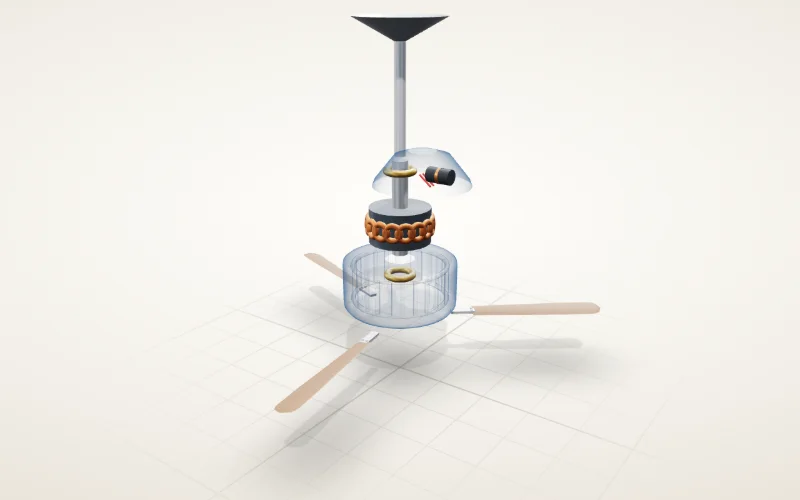
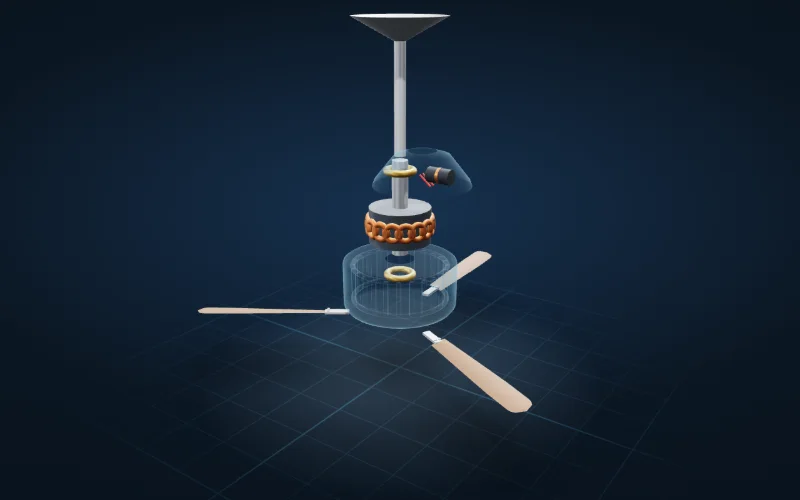
Ceiling Fan
An outer-rotor induction motor, a capacitor to get it started, and three blades pitched at 11°.
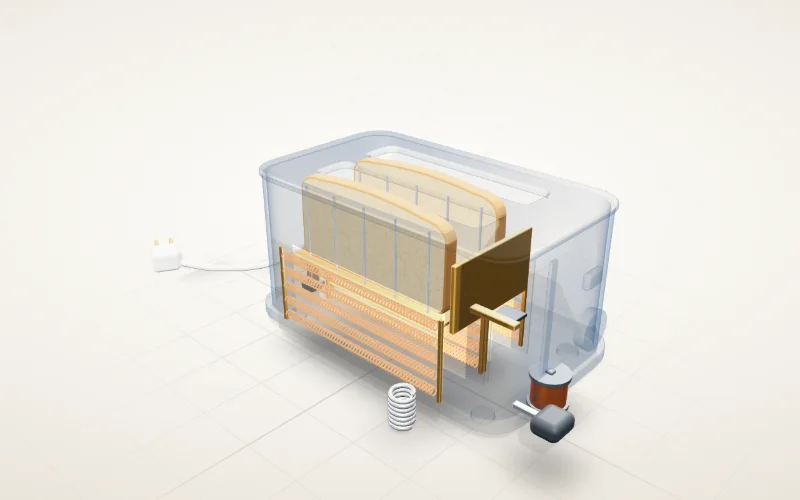
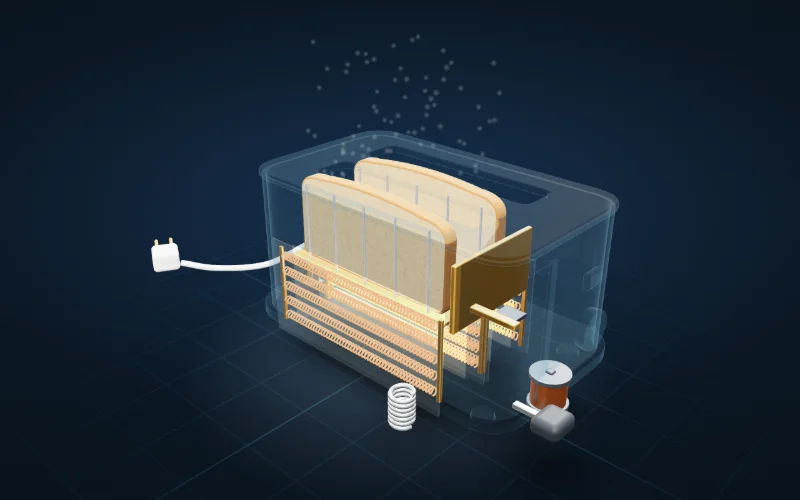
Toaster
Nichrome wires, a bimetal strip, and an electromagnet that holds the bread down.
Pressure Cooker
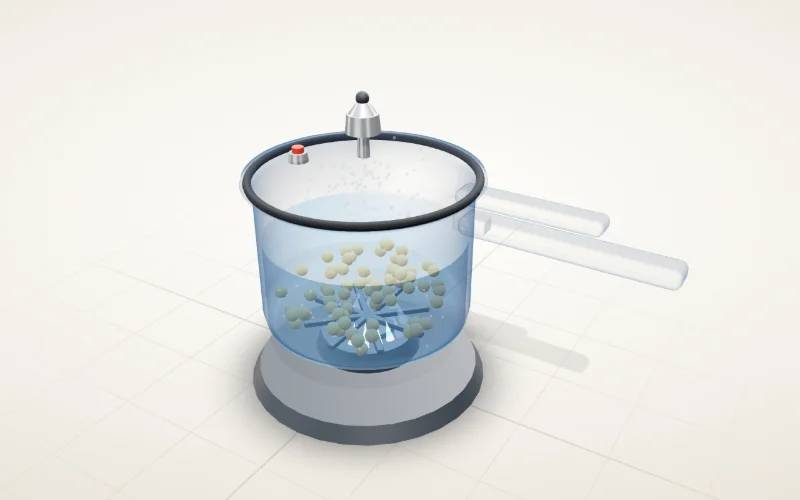
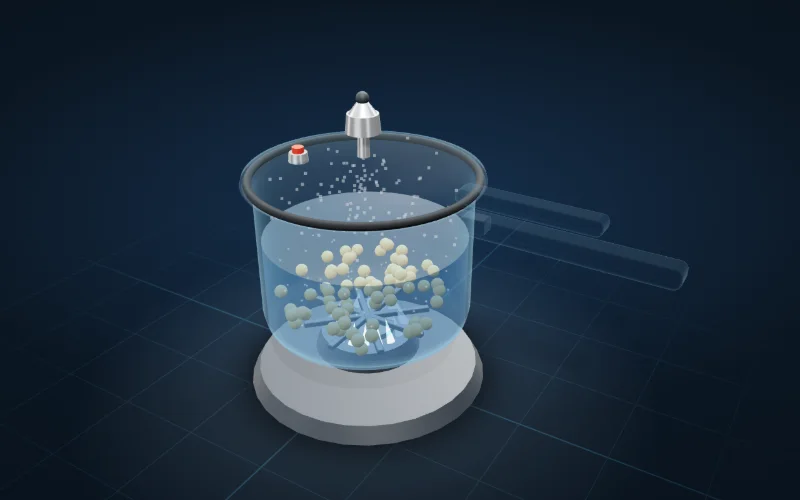
Trapped steam at 1 bar boils water at 120°C. A 100 g weight on the vent keeps it there.
Door Knob
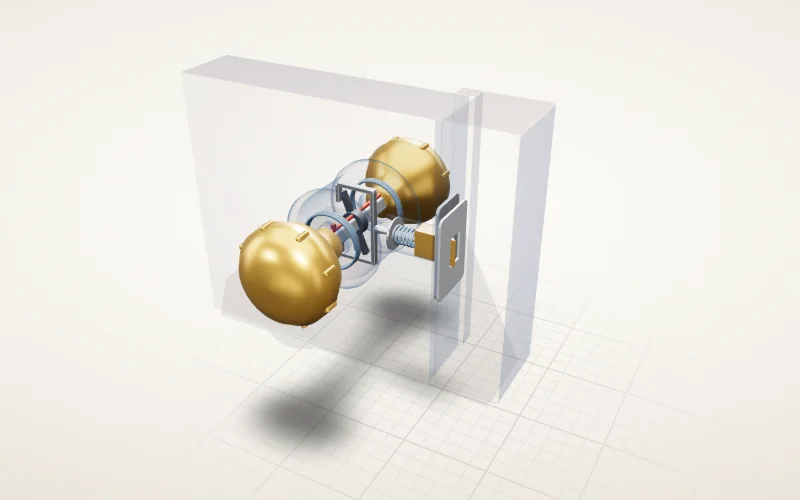
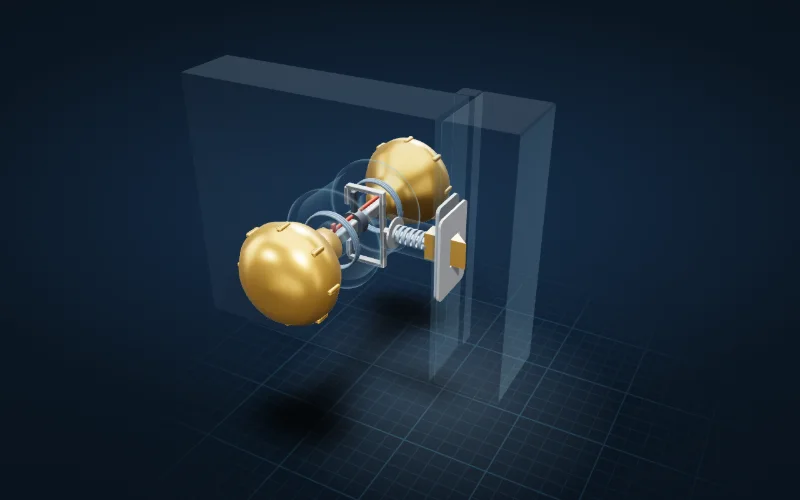
A 45° turn, a square spindle, and a cam pull a spring bolt 13 mm back into the door.
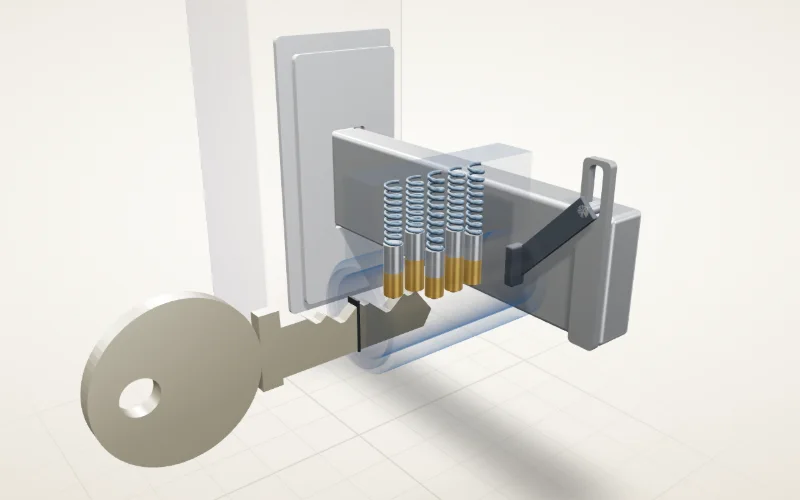
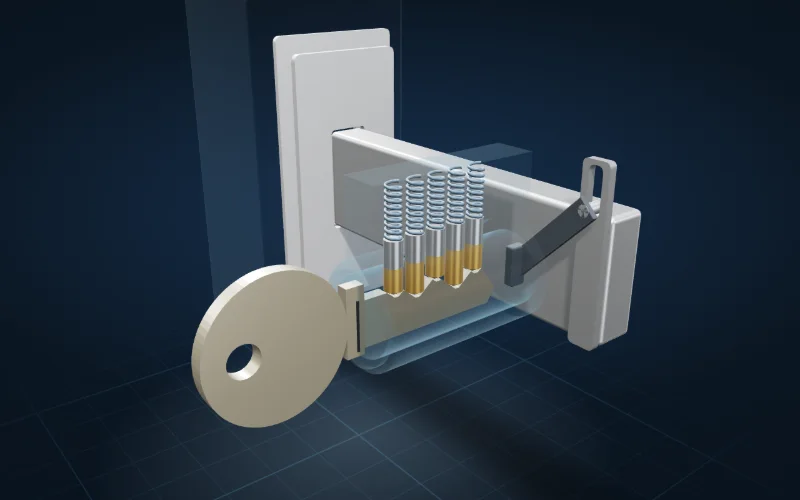
Door Lock
Five pins, one shear line. The right key lifts every pin to the same height.
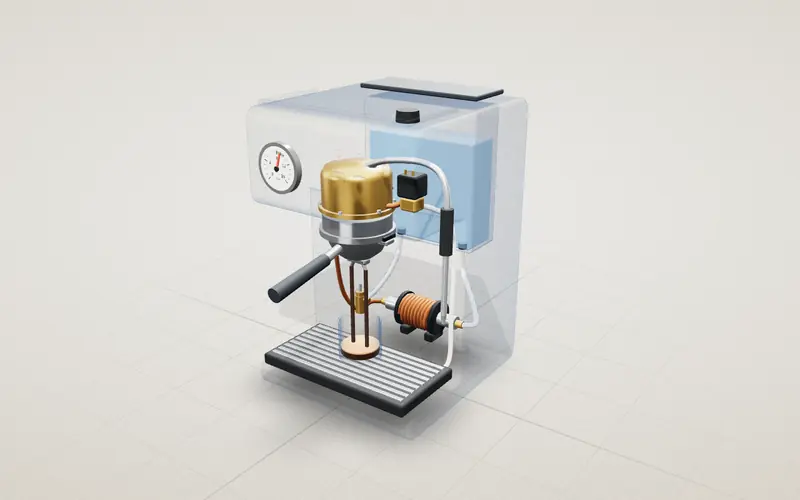
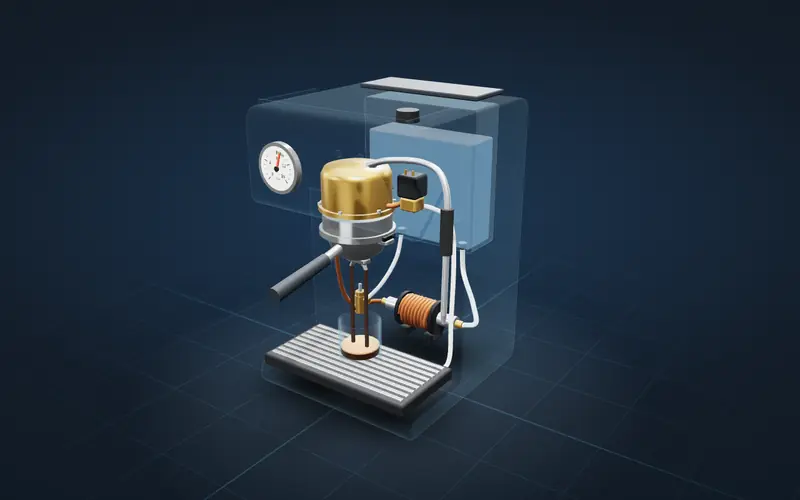
Espresso Machine
A pump pushes water at 9 bar through 18 g of coffee in about 25 seconds.
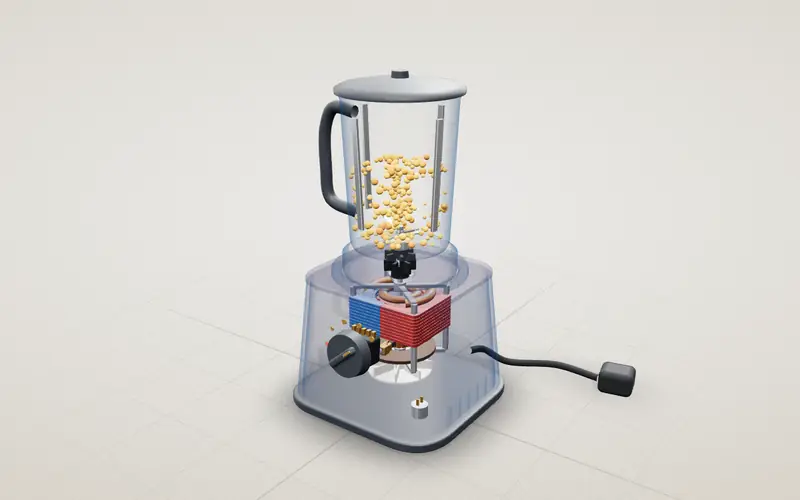
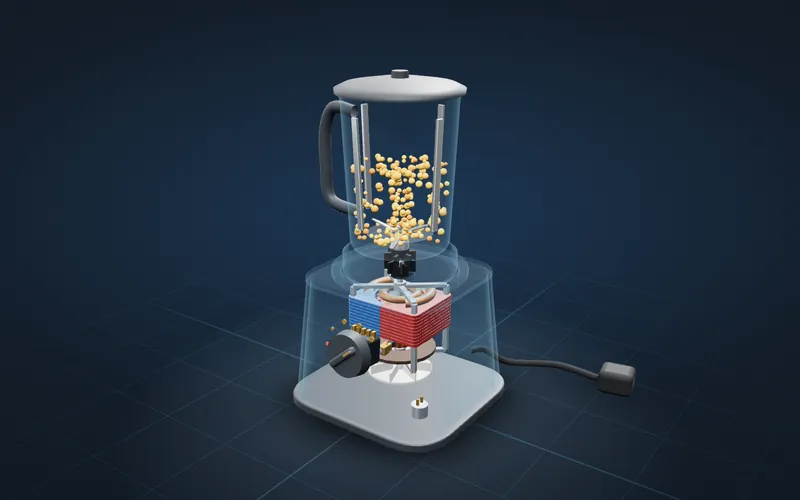
Mixer Grinder
A 750 W universal motor spins the blades at up to 18,000 rpm.
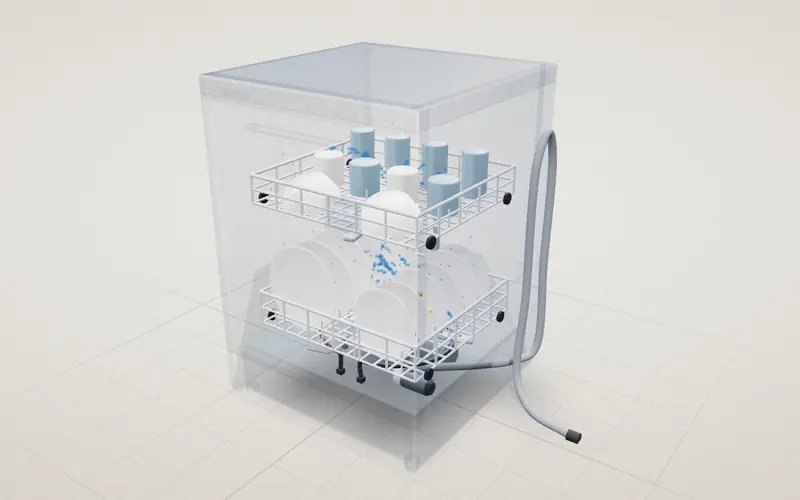
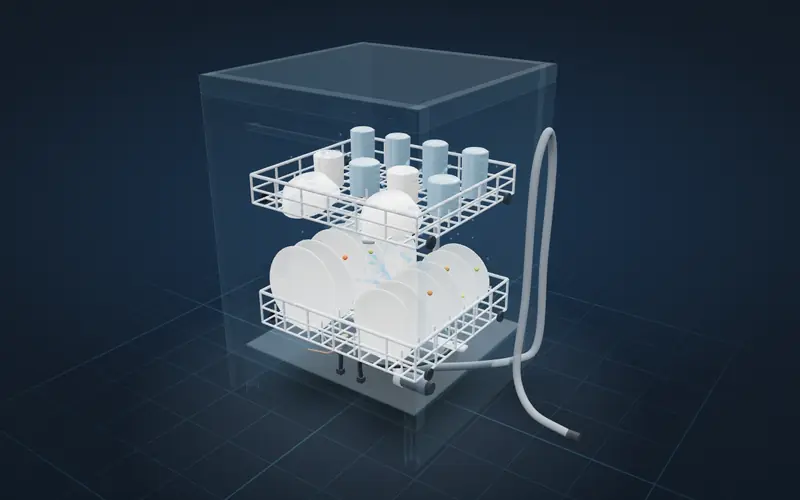
Dishwasher
Spray arms spin on water jets. A heater takes the water to 65°C, then a pump drains it.
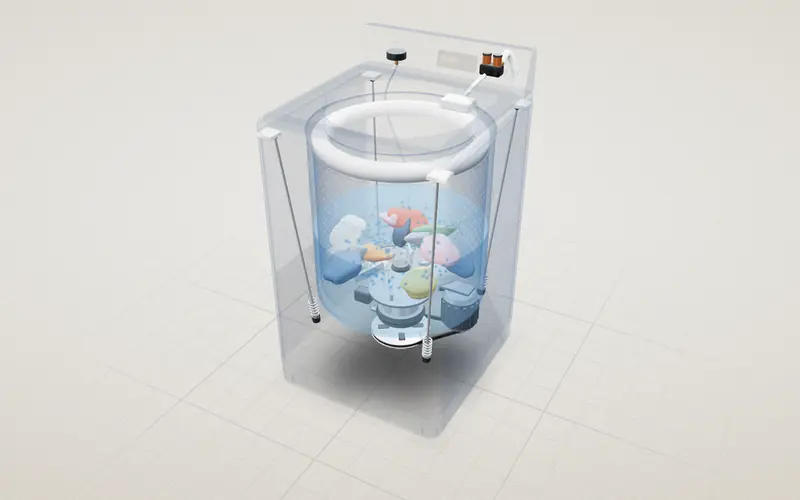
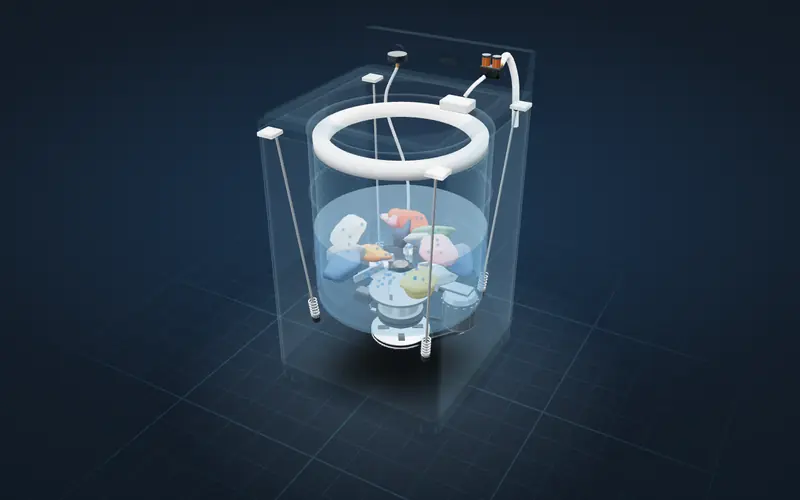
Washing Machine · Top Load
A pulsator churns the clothes at 140 rpm. Then a clutch locks the basket and spins it at 700 rpm.
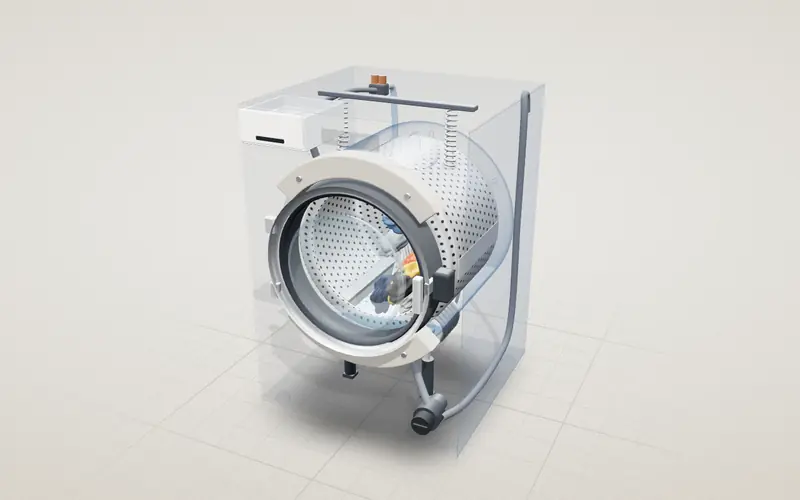
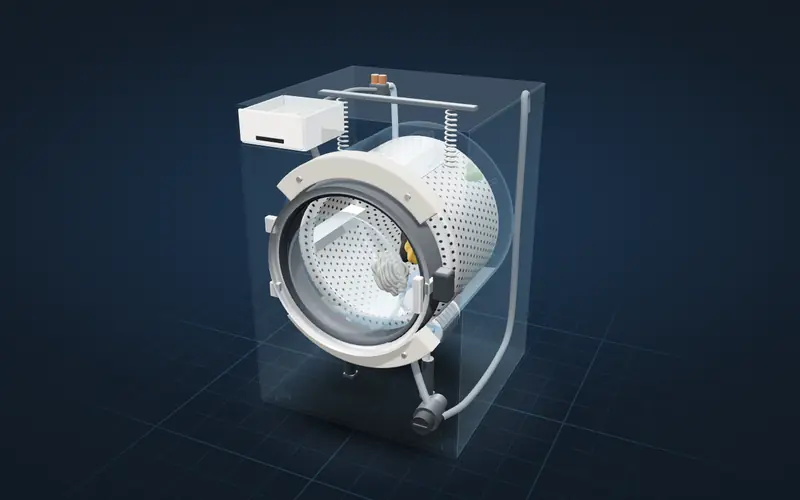
Washing Machine · Front Load
Lifters carry the clothes up a drum on its side and drop them. Then it spins at 1,400 rpm.
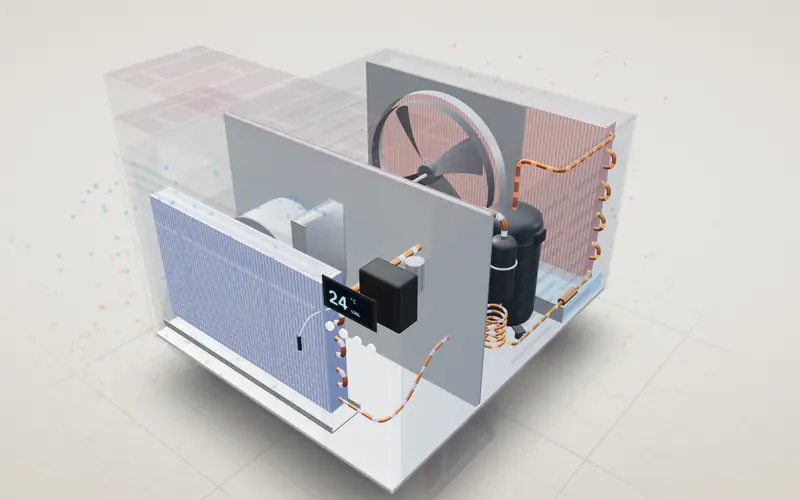
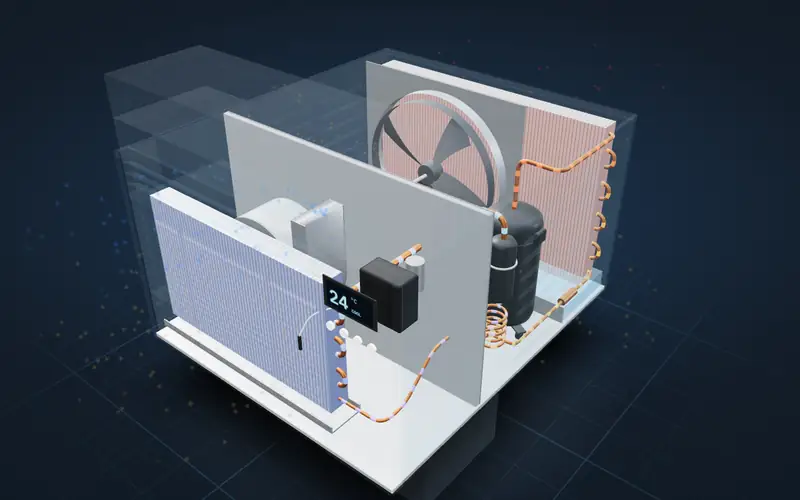
Window AC
One box, two sides. A compressor pumps heat from the room coil to the coil outside.
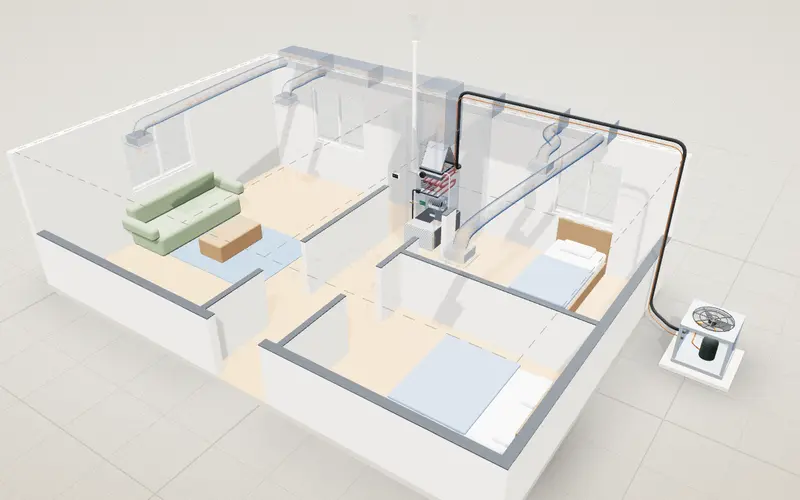
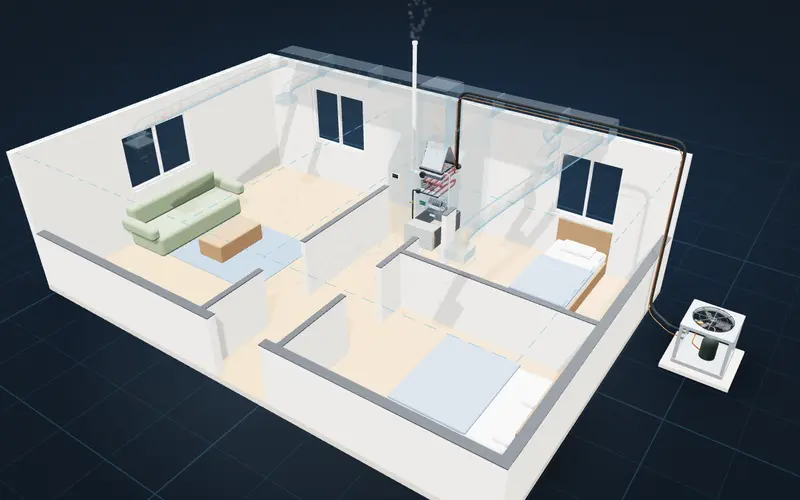
HVAC
A thermostat, a gas furnace or a heat pump, and a blower that pushes 2,000 m³ of air an hour through the ducts.
Electric Chimney
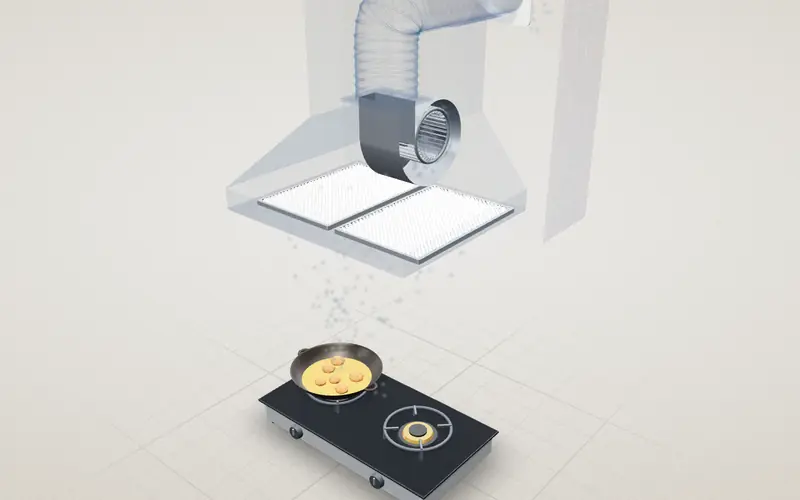
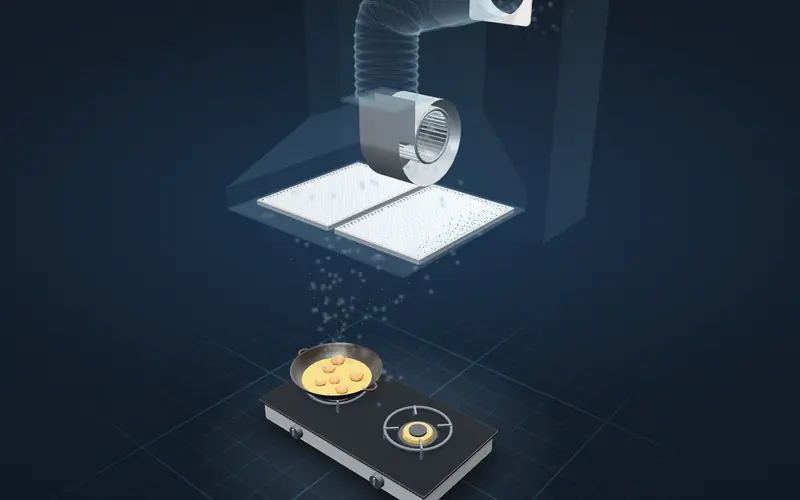
A blower pulls up to 1,200 m³ of air an hour through mesh filters that catch the oil.
Microwave
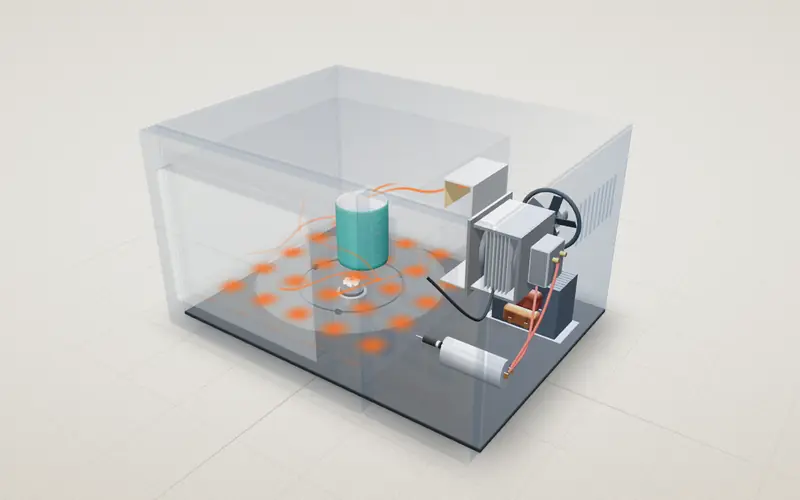
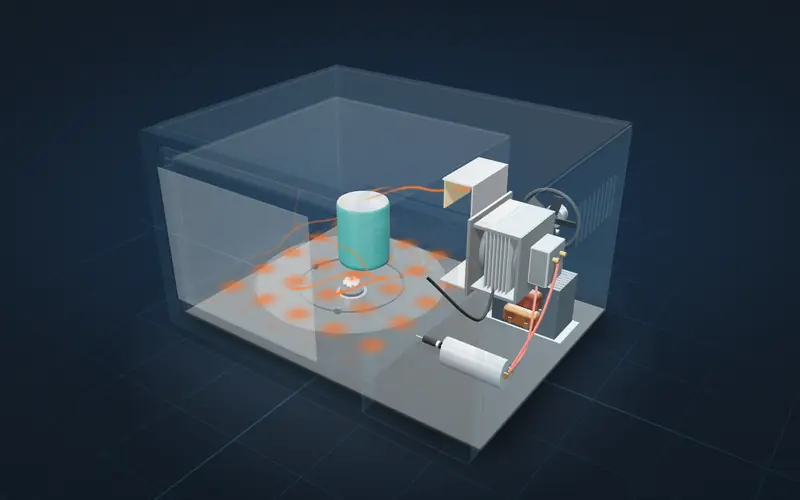
A magnetron makes 2.45 GHz waves that shake water molecules until the food heats up.
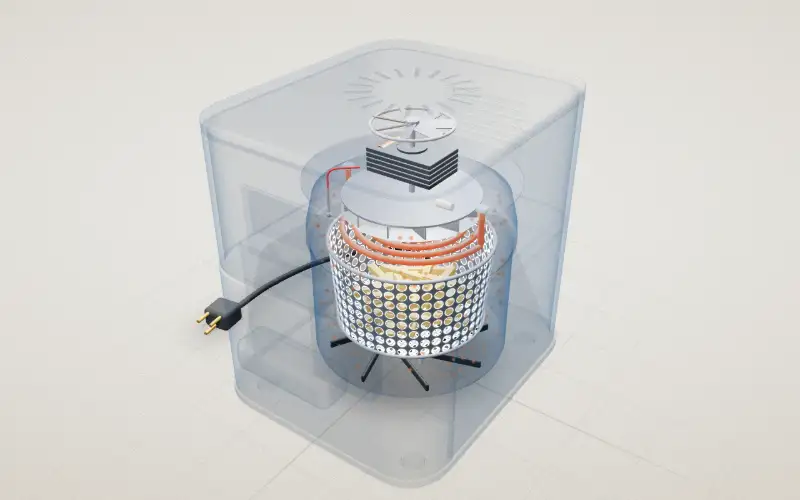
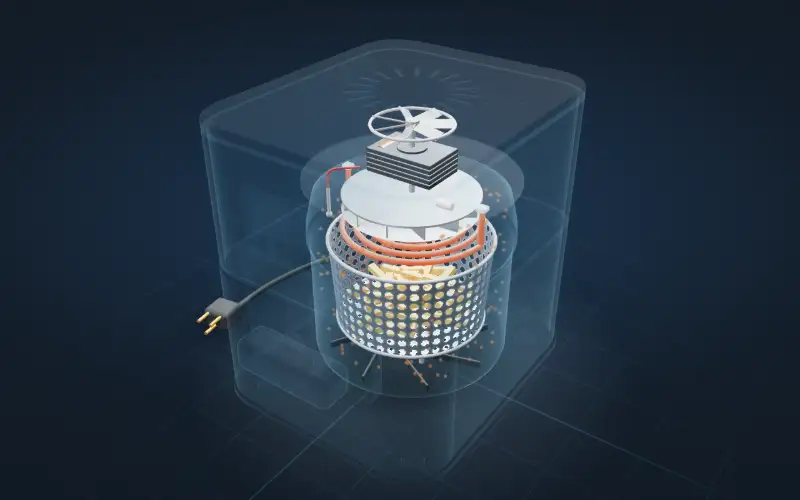
Air Fryer
A heating coil and a fan blow air at 200°C around the food, so the outside gets crisp.
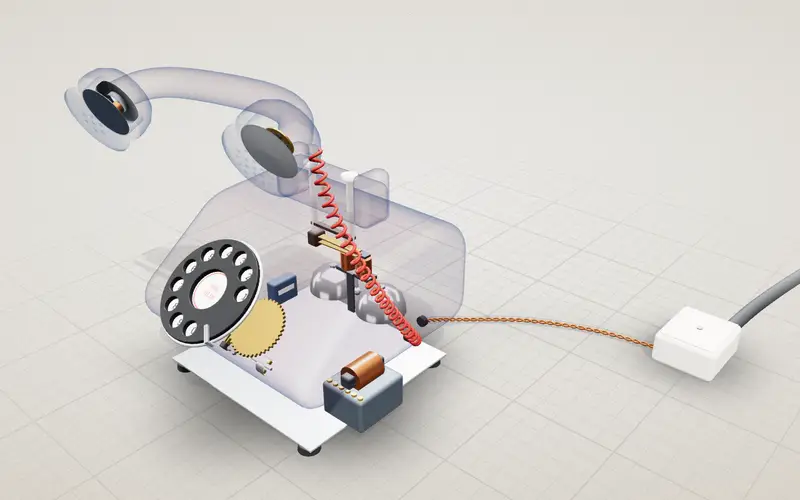
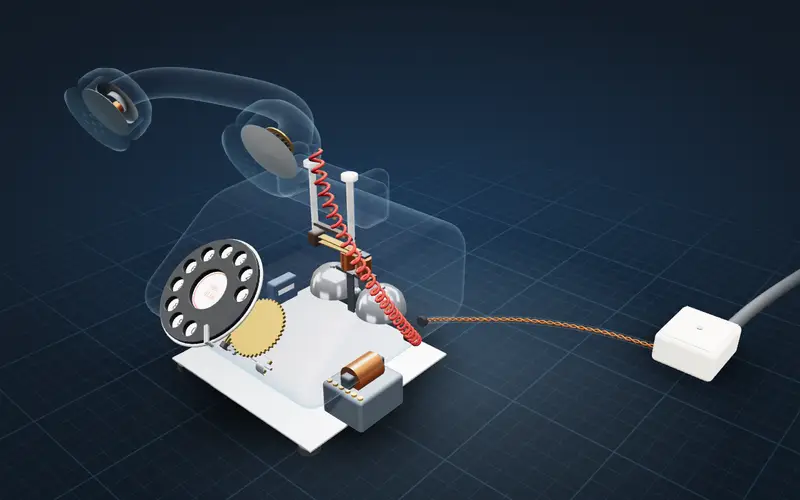
Landline Phone
A carbon microphone turns your voice into a varying current on a copper pair.